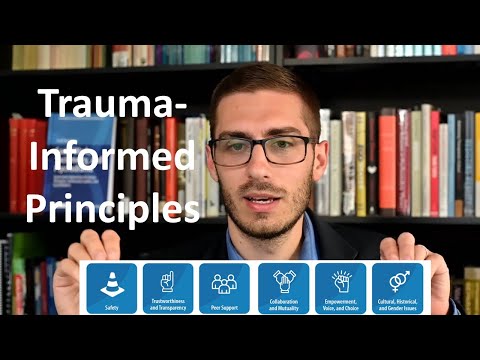
What Are The Key Principles Of Trauma-informed Care? Trauma-informed care is an essential approach that recognizes the impact of trauma on individuals and aims to create a supportive environment for healing. In this informative video, we will outline the key principles of trauma-informed care that can significantly improve interactions in healthcare settings, especially for first responders. We will discuss the importance of safety, trustworthiness, peer support, collaboration, empowerment, and cultural sensitivity in providing effective care. These principles not only enhance the caregiver-patient relationship but also contribute to better outcomes for those who have experienced trauma.
Join us as we break down how first responders can apply these principles in their daily practice, fostering a compassionate approach during emergencies. By understanding and implementing trauma-informed care, first responders can play a vital role in creating a supportive atmosphere that aids in recovery and reduces the risk of re-traumatization.
Whether you are a first responder, healthcare professional, or someone interested in understanding trauma-informed care, this video will provide you with the essential knowledge to enhance your practice. Don’t forget to subscribe for more helpful content on first responders medicine.
⬇️ Subscribe to our channel for more valuable insights.
🔗Subscribe:
#TraumaInformedCare #FirstResponders #Healthcare #PatientCare #MentalHealth #SupportiveEnvironment #TraumaRecovery #EmergencyCare #PeerSupport #Collaboration #Empowerment #CulturalSensitivity #TrustBuilding #SafetyInCare #CompassionateCare #HealthcareProfessionals
About Us: First Response Medicine is your essential resource for all things related to emergency and critical care. Our channel is dedicated to providing clear and practical information on emergency medicine, covering topics such as trauma management, life-saving procedures, and the latest in critical care practices.
Please note that all content is for informational purposes only and should not be considered medical advice. Always conduct your own research and consult with professionals when necessary. The content provided is for general informational and educational purposes only. It is not intended to substitute for professional medical advice, diagnosis, or treatment. Never disregard professional medical advice or delay seeking it because of something you have seen in this content. Never rely on this information in place of consulting with qualified healthcare professionals. The creators and distributors of this content are not responsible for any adverse effects or consequences resulting from the use of any suggestions, preparations, or procedures described in this material. Always consult with your healthcare provider before starting any new health-related practice or program.
Be the first to comment